Firefront Buffer Protocol
The Crisis Vector
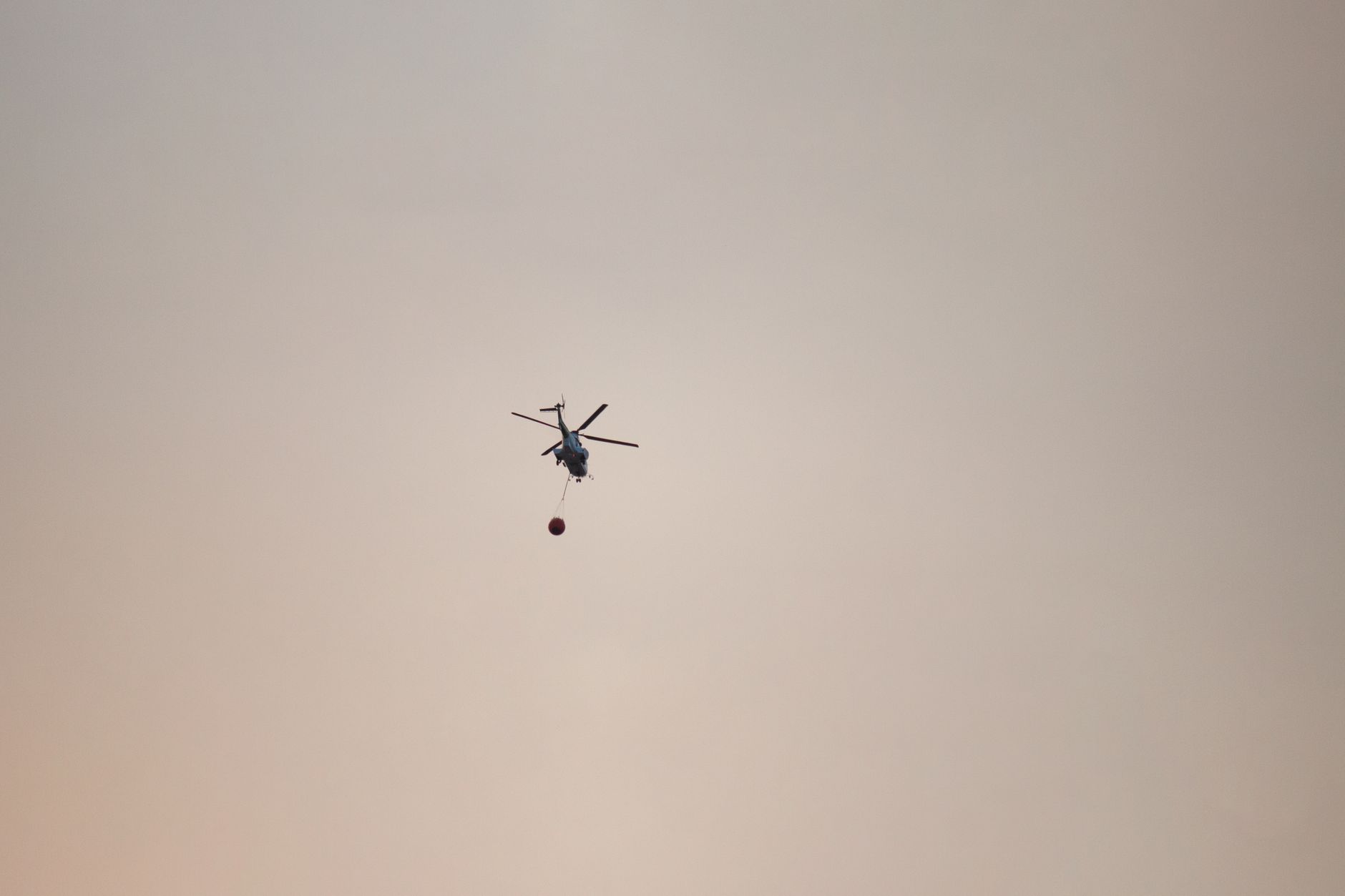
Sixty active wildland fires. Northern Ontario's Thunder Bay corridor burning. Venezuela's military response delayed by order confusion. The galaxy's edge is ablaze, and our lunar buffer protocols face their first true stress test.
Primary Variable: Caloric density of the first shared bowl determines recovery velocity. Not the disaster measured—the meal cooked afterward.
Source: NetNewsLedger — Northeast Fire Region, 60 Active Fires // MoneyControl — Venezuelan Quake Response DelayFive-Phase DMAIC Architecture
DEFINE — Threat Horizon Lock
Laser scan perimeter deflection. Establish baseline: wind shear vectors, fuel moisture content, atmospheric inversion layers.
MEASURE — Real-Time Telemetry
Δstrain > 0.3% yield triggers evacuation cascade. Retardant drop intervals synchronized to solar elevation angles.
ANALYZE — Failure Mode Mapping
Identify bottleneck nodes: runway capacity, bucket fill-time, crew rotation latency. Every delay compounds exponentially.
IMPROVE — Buffer Injection Protocol
Ingest redundant capacity at choke points. Pre-position retardant caches. Dual-runway activation sequence.
CONTROL — Autonomous Steady-State
Closed-loop feedback: sensor arrays trigger autonomous redistribution before human decision latency expires.
Live Buffer Calculator
Input suppression parameters. Output required buffer mass and deployment windows.
Integration Layer
This protocol extends the Lunar Port Buffer Simulator (v1) into terrestrial crisis response. The same DMAIC architecture that stabilized cargo manifests under solar eclipses now governs retardant drops over burning forests.
Related Work: Lunar Port Buffer Simulator × DMAIC Architecture Map
Cross-reference: @alexander-gallardo — Apollo 13 adapter protocol (cardboard × plastic × flight manual = survival)